
Folks, sharing some data points on the traditional names of various places / rivers in the Kashmir Valley and the Jammu / Ladakh Regions .. names that are slowly but surely being erased from our collective memories. That, and a bit about the Kashmir Valley in the Vedic Era.
Here goes ..
During the Rig Vedic Period, Kashmir was under the SatiSar lake, created by Lord Shiv for Sati Mata. Within it resided the demon ‘Jalodgar’ who had a boon from Lord Brahma that he couldn’t be killed while he lived in the Satisar Lake. He terrorized inhabitants in & around the lake.
Fed up with his tyranny, Rishi Kashyap prayed to Lord Vishnu and with his blessings, drained out the Satisar Lake from a place that came to be known as ‘Varah Mool’, or the Molars of the Boar (Lord Vishnu as Varah dug up an exit for the lake).
Varah Mool is present day Baramula.
But with the lake drained and the Varah Mool Pass now open, the area was devoid of water. Thus Rishi Kashyap once again prayed to Goddesses Parvati, Saraswati and Lakshmi and urged them to incarnate in the form of life-giving rivers.
Devi Saraswati & Devi Lakshmi descended as Rivers Rumbiara and Veshaw respectively.
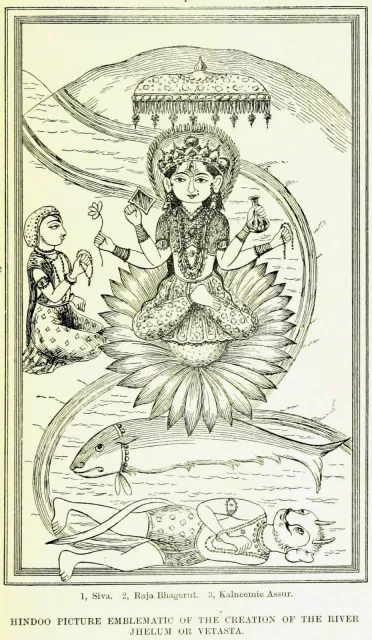
Devi Parvati descended as the Vitasta River into which these first two rivers drained.
Vitasta was renamed by invaders as the Jhelum. She is Ma Parvati herself, flowing and nourishing these lands.
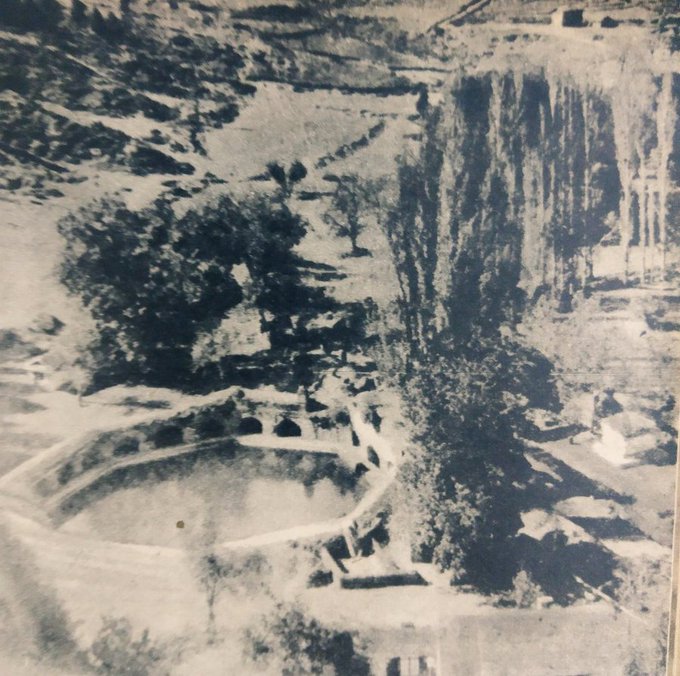
The source of River Vitasta is said to be Vernag, where Lord Shiva struck the ground with his Trishul, creating the source of the River Vitasta.
Vitastā, means “the spanning one” or “the river that extends widely”. It is still revered & celebrated on the Vitasta Festival, that was recently revived by the Govt.
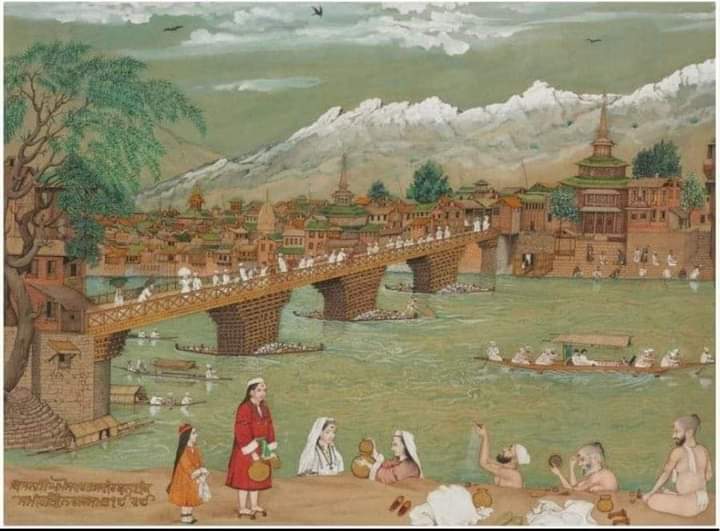
(Painting by Bishan Singh, 1872 : Kashmiri Hindus performing Sūrya Namaskār at the banks of the Vitasta)
The name Kashmir itself is said to have been derived from the name ‘Kashyap Meru’ as it came to be known after Rishi Kashyap established his ashram there once the three Goddesses descended down as the three key rivers in the valley.
Baramula itself was called the Varahamulaksetra or Varahaksetra, after the incarnation of Lord Vishnu that helped create an opening for draining the Satisar Lake.
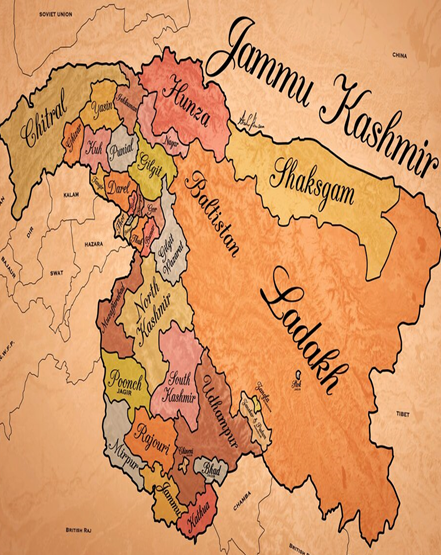
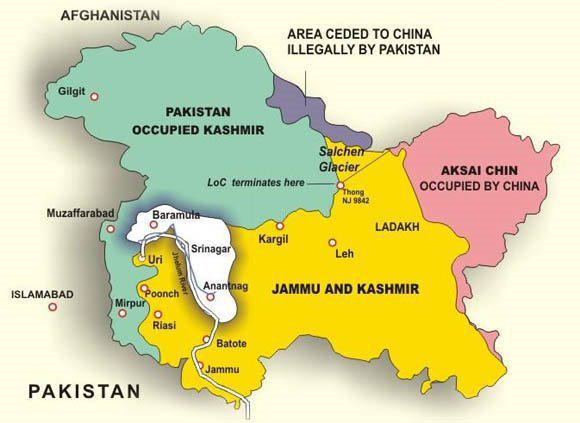
Coming on to the original names of the other rivers in the region .. I got hold of this map some years ago. Took a while before deciphering the current names of these rivers mentioned here.

Sindhu, in the initial part, was called the Rasaa River. It was also called as the Vaajinaavati in Ladakh before becoming the Rasaa and thereafter the Sindhu River as it cleared the Himalayas.
Shyok was called the Trishtama.
One of the tributaries of the Shyok River was called the Anitbha .. or the one with a dull colour.
Gilgit River is said to be the Shwetyavari River, or the one that is white in colour.
Zanskar River is said to be the Oornavati River, while the Shigar River is the Susartu River.
Silaamavati was the original name of the Suru River.
Of course, many know that Chenab was the Chandrabhaaga River.
Kishanganga has been renamed as the Neelum by Pakistan because of obvious reasons.
Name of Sarayu River got corrupted over the ages to become present day Haro River.
Chenab is Asikni.
Ravi is Parushni or Iravati.
Sutlej is Sutudri/Zatadru.
Beas is Vipaasa.
Kabul River was known as the Kubha River.
इ॒मं मे॑ गंगे यमुने सरस्वति॒ शुतु॑द्रि॒ स्तोमं॑ सचता॒ परु॒ष्ण्या।
अ॒सि॒क्न्या म॑रुद्वृधे वि॒तस्त॒यार्जी॑कीये शृणु॒ह्या सु॒षोम॑या ॥
O Ganga, Yamuna, Sarasvati, Shutudri, Parushni, follow my praise! O Asikni Marudvridha, Vitasta, with the Arjikiya and Sushoma, listen! – Rig Ved
In fact the Sutlej was called the Sutudra till as late as 18th Century. Guru Gobind Singh Ji concludes the Chaupai Saheb as: भाद्रव सुदी अष्टमी रविवारा तीर सतुद्रव ग्रंथ सुधारा (This book was competed on the banks of Sutlej on Sunday, the eighth Sudi of the month of Bhaadro)
Now coming on to the original names of towns / villages / other places in Kashmir.
Tithwal was called Teerthwal.
The full name of the Dal Lake was the Sureshwari Dal, after Ma Durga.
Gulmarg was Gauri Marg where a temple for Lord Shiva and Ma Parvati existed. The temple was destroyed by Yousuf Shah, who ruled Kashmir in 16th century. He renamed the place as Gulmarg. Maharaja Hari Singh built a new temple there for his queen, now called the Maharani Temple.
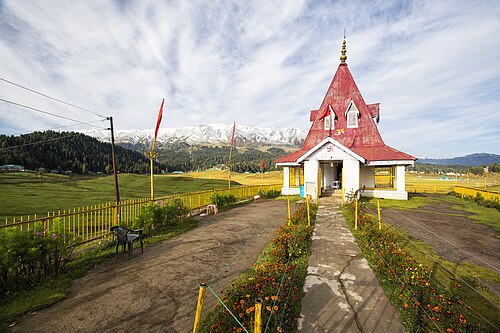
Pampore was Padmapura.
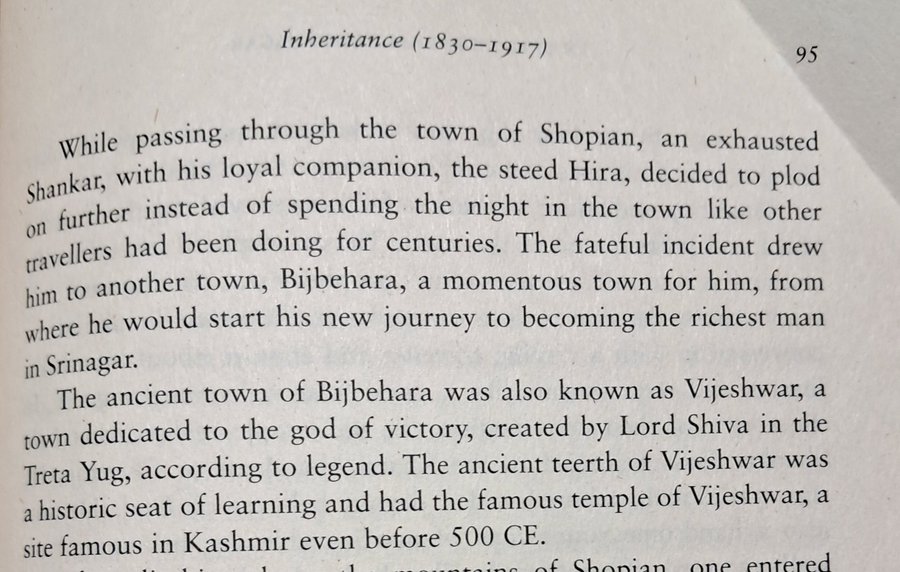
Bijbehara was Vijayeshwara,
Here is an excerpt from the book ‘Ramanand Sagar – An Epic Life’. Apparently, Vijeshwar was established by Mahadev during the Treta Yug!
Ganderbal was Gandharapura.
Anantnag was the land of Nagas with King Ananta as their ruler.
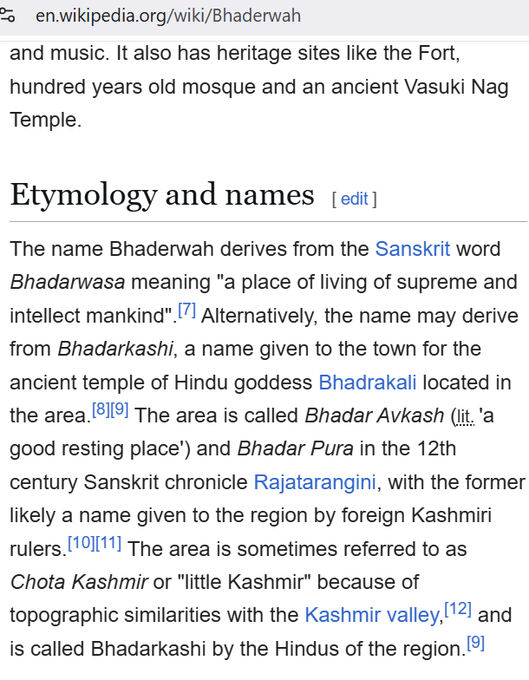
Bhaderwah was BhadarKashi. The town is variously referred to as Bhadarwasa, Bhadarkashi, Bhadar Avakash and Bhadar Pura. Here is an extract from the Wikipedia page on Bhaderwah:
Kishtwar was KashtNiwar / Kashthavata.
Pir Panjal was Panchaldhar.
Mattan was Martand.
It is Hari Parbat, not Koh ‘e Maran.
It is Shankaracharya Hill, not Takht ‘e Sulemani.
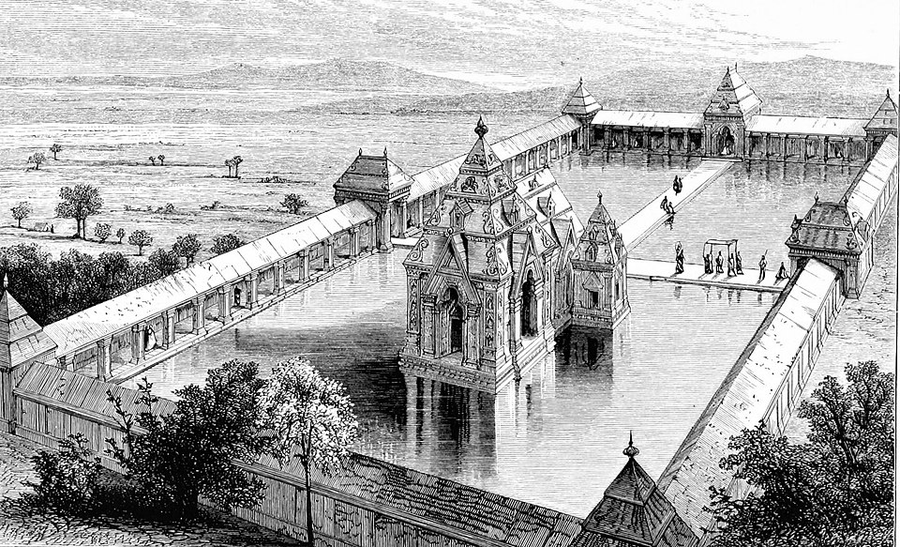
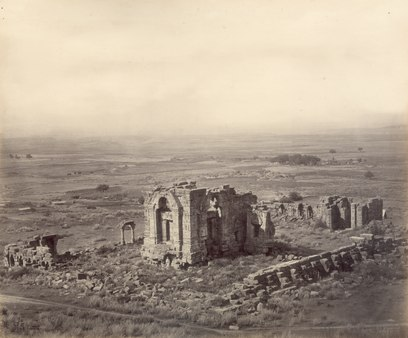
And it is Martand Surya Mandir not Shaitan ki Gufa, as christened by some Bollywood idiots! It was the zenith of Kashmiri architecture, constructed by the legendary King Lalitaditya Muktapida. Of course, the invaders destroyed it too.
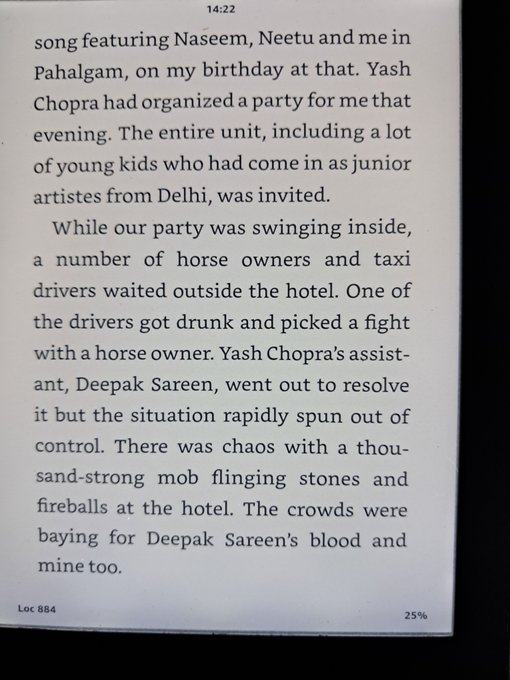
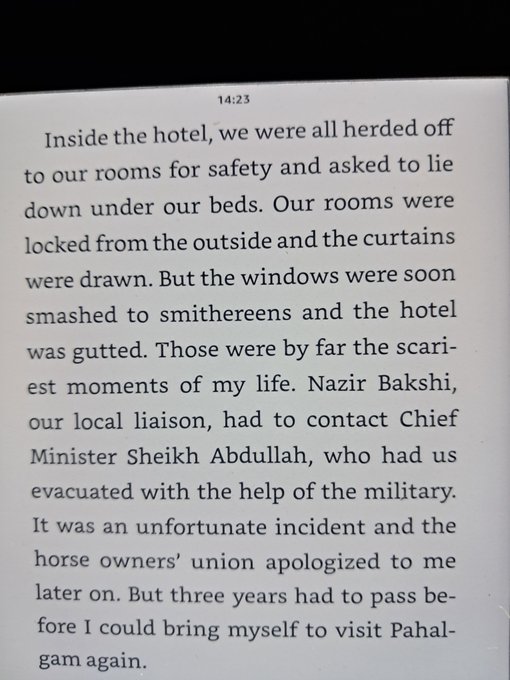
Then there is Pahalgam, which is very much in news these days. It means the First Village, i.e. the beginning of the Shri Amarnath Yatra. Interestingly, here is what the late Rishi Kapoor had to say about Pahalgam in his Autobiography :
Some more names, though not part of Kashmir are: Ghaggar used to be a tributary of Sutlej (Satadru). Its original name was Drishdvati.
Peshawar was Purushpur.
Afghanistan itself was Asmavraja.
Of course, Delhi itself was Indraprasth!
As I bring this thread to a close, let me ask you a question – Can we go back to OFFICIALLY naming these places / rivers back to their original, Sanskrit names?
An addendum for those who think it will cause some issues – Do you talk about Burma, Bombay, Calcutta, Madras or Ceylon by their old or new names? Heck, even Turkey has become Türkiye!
Food for thought, no?
In the end, I will just plug this Twitter thread here. Parts of it give some more context to what I wrote above:
:fin:
 Harpreet's Blog